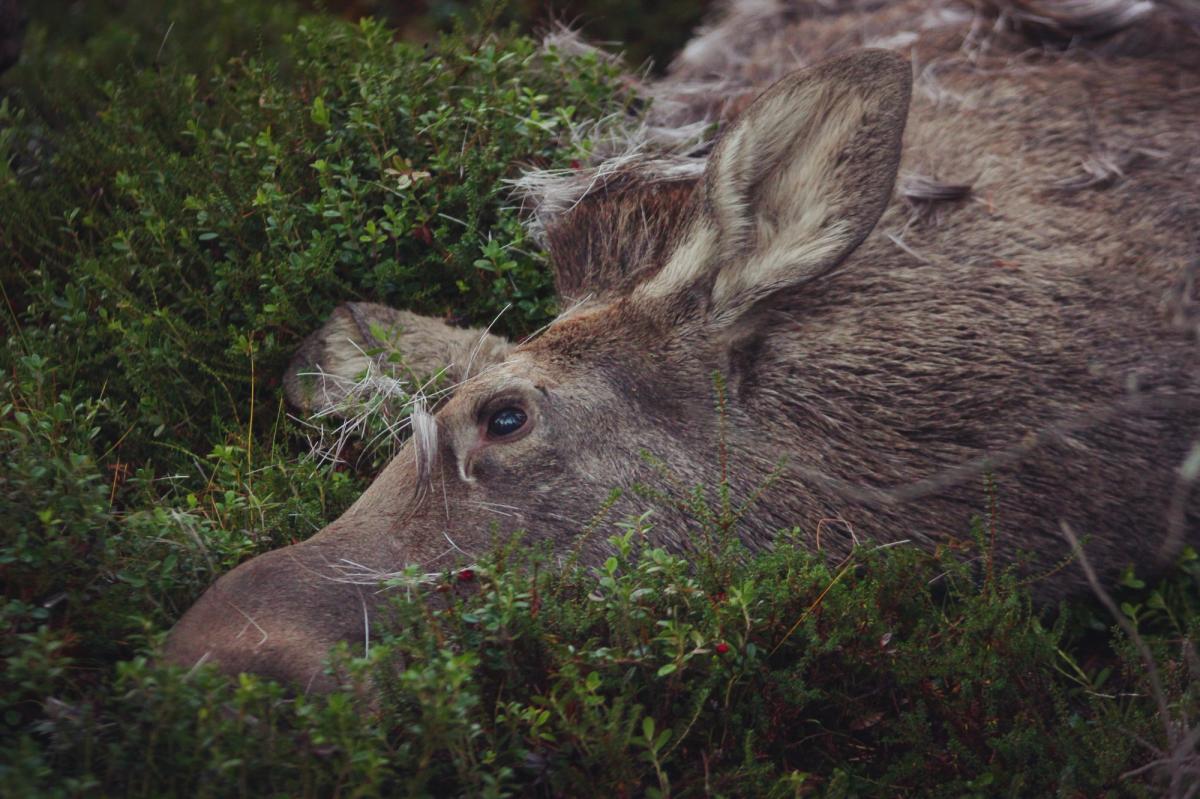
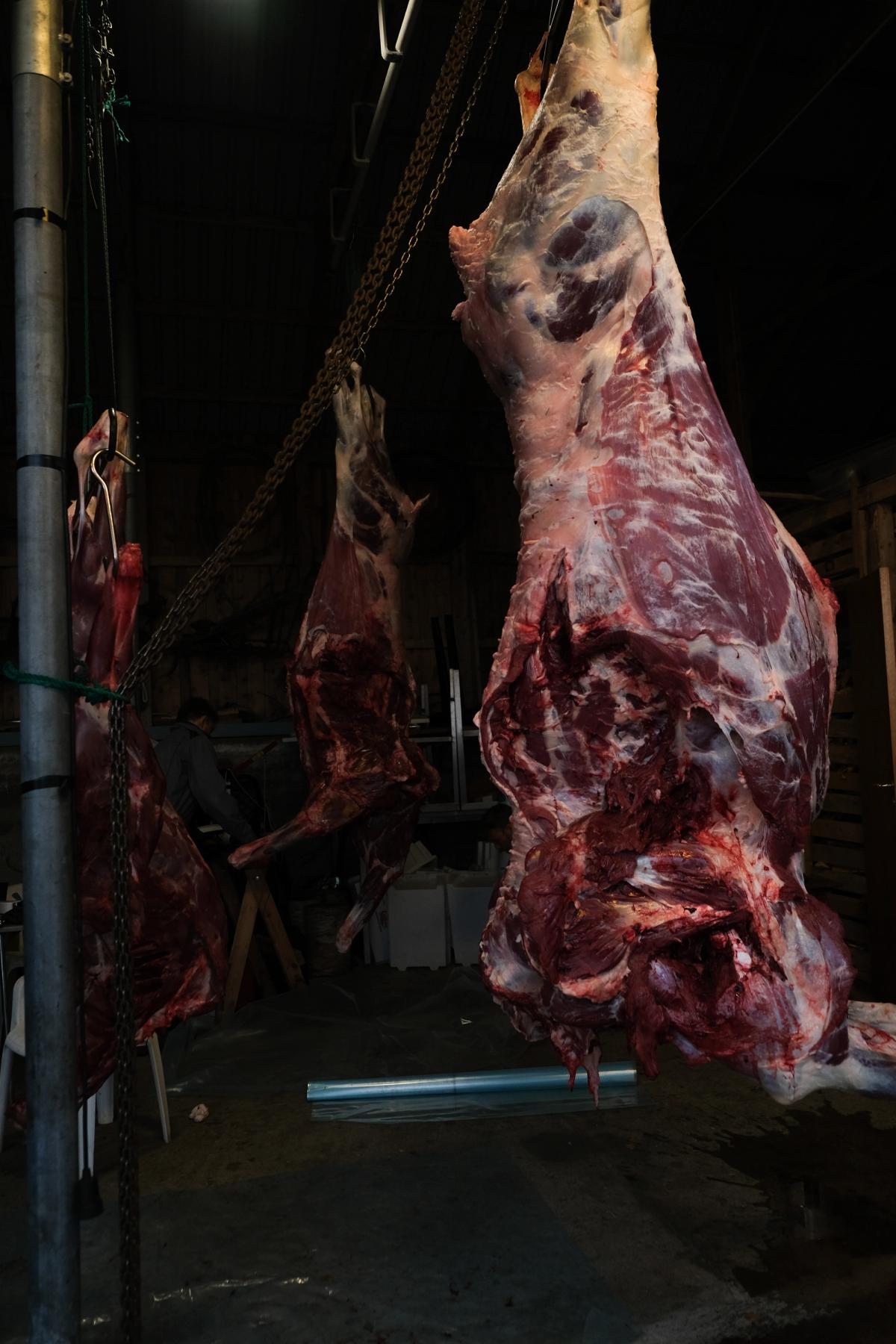
Moose Hunting in Norway
Traditional Moose Hunting in Norway
THE TRADITION OF MOOSE HUNTING IN SCANDINAVIA
Moose hunting in Scandinavia has a long tradition that leads to the development of several specialized dog breeds that are used for this purpose. It is truly a cultural heritage.
There have been discovered evidence of an elkhound looking dog type in rock paintings from the bronze age, and there were also found remains of a dog dating back 5000-7000 thousand years. It is recognized by many that today’s elkhounds share traits with dogs descending from the same dog type as this. Although these dogs were more versatile at that time, probably also being used as guard dogs and such as hunting companions, through time they have developed into specialized breeds. And, through time, a special bond has developed between the dogs and the handlers. Hunting with them has become an honored tradition.
written by Härkila Influencer Stina Didriksen @skadi_outdoors from Norway
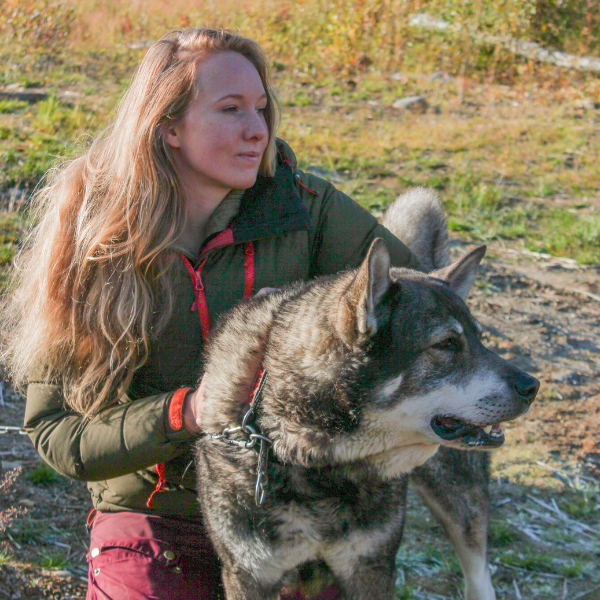
FROM EARLY HUNTING DOGS TO SPECIALIZED ELKHOUND BREEDS
If we go back 200 years, there was only one dog breed usually used for big game in Scandinavia, called “bear and moose hunting dog”. Back then they were quite versatile, not specialized like today, and their traits, temperament and looks could vary greatly. Since then, extensive breed work has created dog breeds of different characteristics; both in looks, temperament and hunting style. Here follows a little introduction about the hunting styles and the dogs themselves.
OFF-LEASH MOOSE HUNTING: HOW ELKHOUNDS WORK IN THE FOREST
One style is hunting off leash. The dog is let off the leash to work. It will track the trails and scent the air to locate the game, let’s say the moose. The dog will work independently, but with regard to the dog handler. This means he will search in a radius around the dog handler, where the dog handler moves slowly and stops and wait as she or he is letting the dog search the terrain. The dog handler then decides what direction to take the dog, as the dogs should search around the hunter in a radius of preferably at least 400 meters, but this again depends on the dog's breed and the terrain.
But closer than 300 meters will be a disadvantage as the moose can hear exceptionally well, and in the right conditions the sound of the dog handler can alert the moose on very far distances. But the range of how far away from the handler the dog will search depends on the breed, and the dog itself. Some breeds tend to work closer to the dog handler in general, while others are more independent. The typical range is from 200-800 meters, but there are deviants here.
Once the dog finds a scent, it will follow the trail or the air scent until she locates the moose. The dog handler will then wait for the dog to find the moose, or follow slowly on a far distance, letting the dog take the lead. Today, most dog handlers use a GPS tracking collar and handheld device showing the dogs' placement in the terrain and distance. Some even have a sound indicator, notifying the handheld unit when the dog starts barking. Once she finds the moose, she will try and bay it, barking when it’s standing still, preferably in front of it. If it moves quickly, she will follow silently until it stops again. If the bay is successful, she will work around and in front of the moose, barking rapidly, trying to keep it in place until the dog handler can close in.
When the dog handler hears the barking, he or she will know that the dog has found prey. If the dog is successful at baying, the hunter will let her bark for preferably at least 1 hour before closing in very slowly and very silently, all the time considering the direction of the wind. The hunter will often only walk when the dog barks, trying to mask the sound of the steps with the noise from the barking. There is nothing as thrilling as closing in on the bay. The sound of the barks that echo through the woods is unforgettable.

ON-LEASH MOOSE HUNTING: A DIFFERENT APPROACH
The other style is working on leash. The dog handler will keep the dog on a long leash, letting the dog work independently in front. The dog handler decides where to start the hunt, and to a degree where to walk, until the dog finds a scent trail to follow. It will track silently, leading the hunter to the moose. This is an exceptionally challenging form of hunting, as the hunter has to be quiet on a whole different level. It is essential to wear quiet clothes; some even put thick knitted socks outside on their shoes to help muffle the sounds of walking or even remove them completely for the final approach to the moose. Once at shooting distance, a good dog will lift its head and stare at the moose, waiting for the hunter to have his chance of a shot. It is said that with a good on-leash dog, you can look between her ears, and you will see the moose.

QUIET GEAR AND CAMOUFLAGE IN SCANDINAVIAN MOOSE HUNTING
As the moose is such a clever animal, it is essential to keep quiet. Not only with each step, or breath, but any unfamiliar sound from clothing or gear will tick them off! Hence, quiet fabrics are preferred. In older times, leather, wool, and wool blends were used. Today we also have other options. Moose hasn’t got very good eyesight, but they will see silhouettes and spook if they see something they deem odd or out of place. That’s why most specialized hunting clothes have a pattern that is developed to break the outlines of the wearer and blend in with the natural surroundings. And moose hunting most of the time, at least in Scandinavia, is team-effort; safety is key. They cannot see red or orange colors, rather they will see them as “tones”. Red looks more like green in tone, orange a bit paler but still it won’t look out of place tone-wise. That’s why the specialized gear chooses details with these colors, safety without compromising on stealth.
The importance of the moose hunt is shown through the development of several separate Scandinavian breeds specialized in the hunt. The Norwegian Grey Elkhound is even regarded as Norway’s National Breed.
Looking for a broader selection of women’s hunting styles? Explore them here

NORWEGIAN GREY ELKHOUND
The Norwegian Grey are of medium size, standing around 52cm tall for males and 49 for females. They are sturdy built, compact with rectangular shapes. A short and strong back, grey fur with lightly colored undercoat and darker topcoat. Upright pointy ears placed on top of the head, and a black mask on the snout and face. There are lines bred for off-leash and lines for on-leash hunting, most often bred separately to specialize the traits needed for the tasks, but some will even do the work as both.

NORWEGIAN BLACK ELKHOUND
The Norwegian black elkhound is the smallest with its up to 49cm for males and 46cm for females. Completely black under and topcoat, upright ears and curled tail. Its body type is slimmer than that of a grey elkhound, and hence it will appear much smaller even though in height it’s not much that separates them. It’s most exclusively used for on-leash work and has developed a very contact-seeking and soft nature due to working so close to the dog handler and is in general a very pleasant dog. Most tend to be quiet and seldom bark much, as that is a requirement for them working on leash. An exceptionally good tracker and will be very thorough when following a scent trail or air scent.

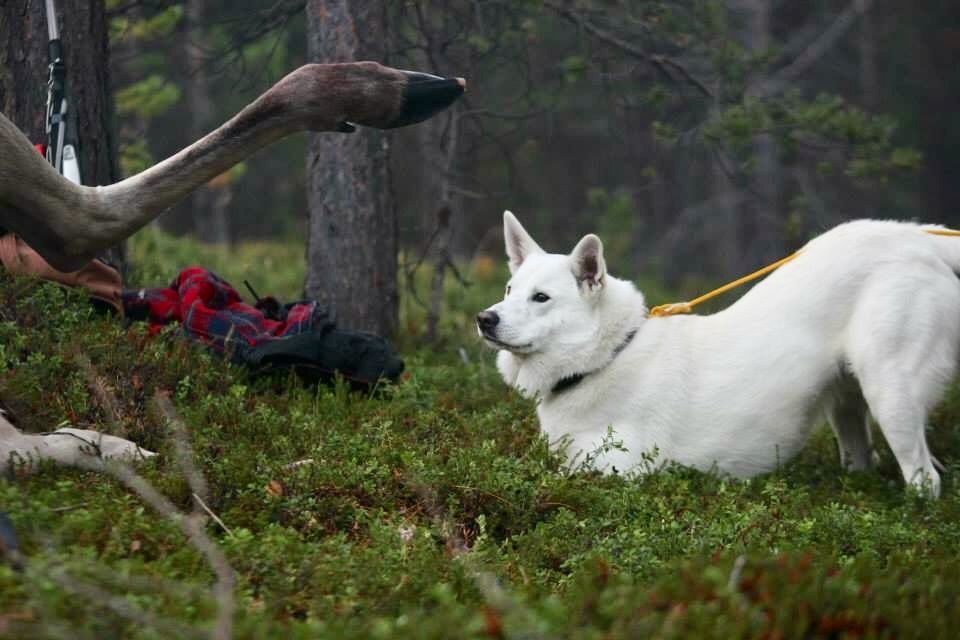
SWEDISH WHITE ELKHOUND
The Swedish White Elkhound is the newest breed. Completely white, but also upright ears and curled tail. A tad bigger than the Norwegian grey with its max 56cm height for males, and 53 for females. It’s used on-leash, and some off-leash, but unfortunately not many of them these days and it is in danger of becoming extinct. As there are so few, the breeders have a difficult time breeding pure off-leash and pure on-leash line, so the lines are mixed. They work quite close to and keep in good contact with the dog handler, which makes it even more important for the dog handler to move very quietly in the terrain. They will seldom follow moose so far that they “disappear” for long. These are good traits when hunting in smaller terrains and areas where you need the dog to stay closer. They are also commonly used on leash because of these qualities.
SWEDISH ELKHOUND, JÄMTHOUND
The biggest of the breeds is the Swedish Elkhound, also known as Jämthound. It stands tall with its preferred max height of 61cm for males and 56 for females. Upright ears, curled tail and light toned undercoat with an overcoat that should be darker; ranging from grey to dark grey almost black. Due to their large size and independent temperament, they are mostly used for off-leash hunting. They tend to work quite far from the dog handler and usually follow the moose quite a distance before returning to the handler. Some are even so keyed up on the moose, that they follow “too far” and won’t let the moose “go” before a very long distance from the handler. A lot of focus on training in a steady re-call is important. Working on this radius is a plus when hunting in large areas, and areas where the moose tends to be scattered or light-footed.
Fun fact; up until the 1940s the Jämthound and the Norwegian Grey were by many considered the same breed. It was two different “types”; the smaller and the larger one. A focus on breeding the larger dogs to create a separate breed started. The temperament also became distinct; it was a bit milder than the smaller ones in general. Thus, the Jämthound was created, and in 1946 it was recognized as a separate breed.
Similar traits all of these breeds share are that they have thick double coats to endure all kinds of weather. It makes them capable of working in extreme conditions of rain, snow, and cold temperatures. Upright ears give them exceptional hearing, and the curled tail they carry over their back protects it against damage from the forest. A clever design for a dog that is tough and sturdy. When looking at them from the front, one can notice that the fur kind of shapes around their face as a fan, and this is said to help collect scents when tracking. They have a fantastic sense of smell.
On a typical day for an Elkhound, they will work for many hours, and up to several days in a row. With the right physical training beforehand, some will even work for a week at end, and some for several weeks with a few resting days in between. With proper nutrition, rest between sessions, and physical training leading up to the season; they can do this with no problem. They surely love what they do, and most breed representatives have the instinct to hunt. This is as most breeders have been true to the dog’s heritage, being very thorough to find homes for the puppies that will use them for their purpose. It’s very difficult to get one for other purposes than hunting or tracking, and therefore it’s far between individuals that don’t have any hunting instinct at all and aren’t used for hunting.
These are some of the most popular breeds. Other mentions are the “Hällefors dog”, “Karelian Bear dog” and the “Laika” breeds that are also used to some extent. Whatever the breed, it is for sure true that a moose hunter loves his or her dog. Those moments shared out there in pursuit of the “king of the forest”, creates lifelong memories and a bond of companionship that is highly valued.